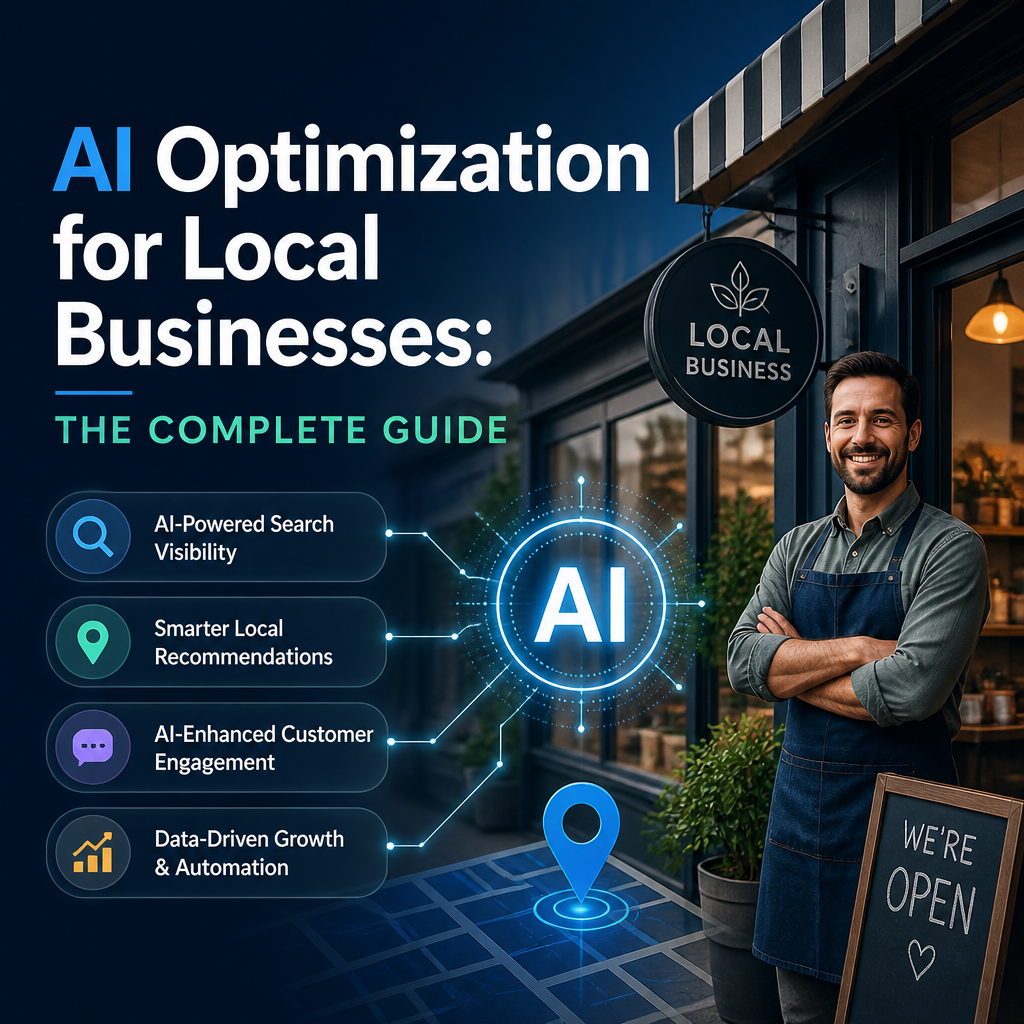
AI Optimization for Local Businesses: The Complete Guide
The Complete Guide to AI Optimization for Local Businesses
Artificial intelligence is no longer reserved for large companies with dedicated technology teams. Local businesses can use AI to save time, understand customers, improve marketing, and deliver more consistent service. The key is to choose practical tools that support your goals rather than adopting technology for its own sake.
This guide explains how to approach AI optimization for local businesses, from identifying useful opportunities to measuring results.

What Is AI Optimization?
AI optimization means using artificial intelligence to improve business processes and outcomes. Depending on your needs, that might involve automating repetitive tasks, analyzing customer feedback, generating draft marketing content, or helping staff respond to common questions.
For a neighborhood restaurant, AI could help forecast busy periods. For a plumbing company, it might organize service requests and draft appointment reminders. A retail shop could use it to spot patterns in sales or create product descriptions.

AI works best as a support system. Human judgment remains essential, especially when decisions affect customers, finances, or reputation.
Start With a Specific Business Goal
Before comparing tools, identify a problem worth solving. A focused goal makes it easier to select technology and determine whether it is helping.

Consider questions such as:
- Which tasks take up too much staff time?
- Where do customers experience delays or confusion?
- What information do you collect but rarely use?
- Which marketing activities are difficult to maintain?
- What would you improve if you had more time?
Choose one or two priorities to begin with. Examples include reducing missed inquiries, responding to reviews more efficiently, or preparing social media drafts faster. Avoid trying to automate everything at once.
Practical Ways to Use AI Locally
Improve customer communication
AI-powered chat tools can answer basic questions about opening hours, services, pricing ranges, or booking procedures. Email tools can help draft replies to routine requests, while transcription features can turn voicemails into searchable text.
Keep automated responses accurate and easy to escalate. Customers should be able to reach a person when their question is unusual, urgent, or sensitive.
Strengthen local marketing
AI can help brainstorm campaign ideas, draft newsletters, and adapt a message for different channels. It can also summarize customer feedback to reveal recurring compliments or concerns.
Use these tools as assistants, not publishing systems. Review every draft for accuracy, tone, and local relevance. Generic content may save time but rarely reflects what makes a business distinctive.
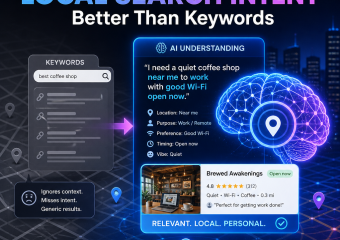
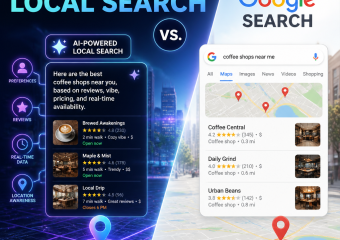
For local search visibility, make sure your website clearly states your services, service area, address, contact information, and hours. AI can help revise descriptions, but it cannot replace accurate business details or a positive customer experience.
Organize operations
Scheduling and inventory tools may use AI to identify demand patterns, suggest staffing levels, or flag products that need replenishing. Service businesses can use automation to sort incoming requests and send reminders.
These predictions are only as reliable as the information behind them. Check that your records are current, and treat recommendations as guidance rather than unquestionable instructions.
Choose Tools Carefully
The right tool should fit your workflow, budget, and technical comfort. Before signing up, check:
- Purpose: Does it address a real business need?
- Cost: Are there setup fees, usage limits, or paid add-ons?
- Ease of use: Can your team learn it without extensive training?
- Privacy: How does it collect, store, and use customer data?
- Integration: Does it work with the systems you already rely on?
- Support: Is help available if something goes wrong?
Start with a trial or a limited pilot when possible. Avoid uploading sensitive customer, employee, or financial information unless the provider’s privacy and security practices have been carefully reviewed.
Create Simple Rules for Responsible Use
Set clear expectations before staff begin using AI. Explain which tools are approved, what information must not be entered, and who reviews AI-generated work.
Always verify facts, especially details about prices, policies, health, safety, or legal obligations. Disclose automation when appropriate, and never let a system make consequential customer decisions without meaningful human oversight.
A short written policy can prevent confusion while keeping employees free to use helpful tools responsibly.
Measure Results and Improve
AI optimization for local businesses should produce measurable improvements. Track a few relevant indicators before and after introducing a tool, such as:
- Time spent on a repeated task
- Speed of response to customer inquiries
- Booking completion or missed appointment rates
- Marketing engagement or qualified leads
- Customer satisfaction and review trends
If a tool saves time but creates errors or frustrates customers, it may need adjustment—or may not be the right fit. Review results regularly, ask staff and customers for feedback, and refine the process.
Build Gradually
Successful AI adoption is not about using the most advanced technology. It is about finding dependable ways to serve customers and run the business better. Begin with a manageable problem, test a suitable tool, protect customer information, and keep people involved in important decisions.
With a thoughtful approach, AI can help local businesses work more efficiently while preserving the personal service that sets them apart.