
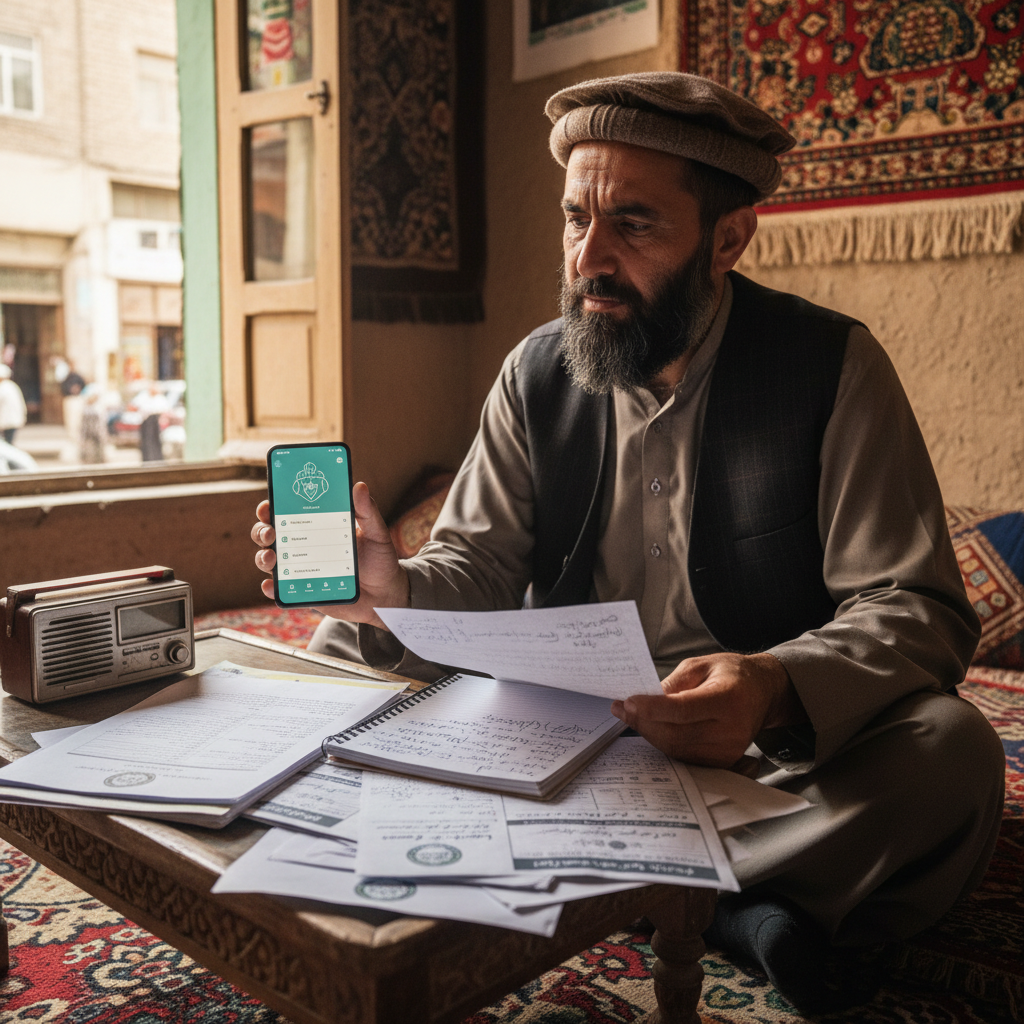
How to Find Reliable Local Information, Services, and Opportunities in Afghanistan in 2026
Finding reliable local information in Afghanistan in 2026 requires more than typing a broad question into a search box. A clinic may have changed its hours, a road may be temporarily difficult to use, a job notice may have expired, or a business listing may show a phone number that is no longer active. The most useful approach is to combine digital discovery with local confirmation, paying close attention to location, intent, timing, context, freshness, and verification. This guide explains how to do that safely and efficiently when searching for services, businesses, assistance, employment, education, and other opportunities.
Start With a Precise Location and a Clear Intent
Afghanistan is divided into provinces, districts, cities, villages, and neighborhoods, and conditions can differ significantly between nearby areas. A result labeled only “Kabul,” “Herat,” or “Nangarhar” may be too broad to help someone who needs a service within practical traveling distance.

Begin each search with the most specific location you can provide safely. Include the province and district, then add a neighborhood, village, market, road, or familiar landmark if necessary. Because place names may be spelled differently in English, Dari, and Pashto, try common spelling variations when results are limited.
Intent matters just as much as geography. “Hospital near me” does not explain whether the person needs emergency care, maternity services, a pharmacy, vaccination, laboratory testing, or routine treatment. Similarly, “jobs in Afghanistan” is less useful than “accounting vacancies in Herat with an October 2026 deadline.”

A strong local query usually includes:
- What you need: clinic, mechanic, teacher, employer, training course, market, legal support, or humanitarian assistance.
- Where you need it: province, district, city, neighborhood, or nearby landmark.
- When you need it: today, this week, during winter, or before a stated deadline.
- Important conditions: cost, language, accessibility, opening hours, eligibility, or availability for women and families.
Choose Sources That Match the Question
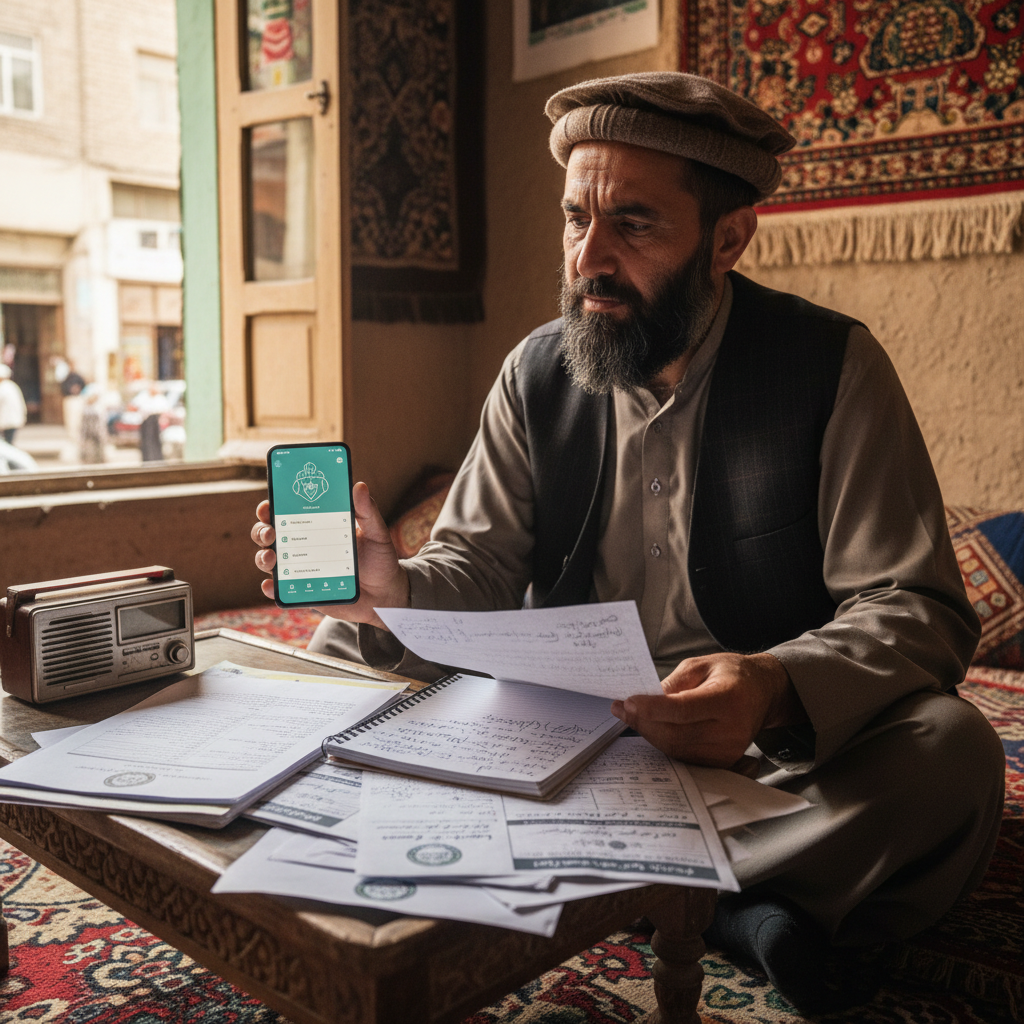
No single source is best for every local need. An official announcement may be appropriate for regulations, while a confirmed phone call may be more useful for checking whether a neighborhood shop is open. The key is matching the source to the type and seriousness of the decision.

Essential services and humanitarian information
For humanitarian assistance, returnee support, emergency services, or community feedback, begin with established humanitarian channels. United Nations Afghanistan, the United Nations Office for the Coordination of Humanitarian Affairs, ReliefWeb, and the official communications of recognized aid providers can offer current program and response information.
Awaaz Afghanistan is a nationwide humanitarian information, referral, feedback, and complaints service implemented through UNOPS. Its toll-free 410 helpline can help callers ask about available assistance and communicate concerns. However, the existence of a service does not guarantee eligibility or immediate support. Callers should ask what documents are required, which organization is responsible, whether registration is open, and when the information was last updated.
For medical needs, confirm information directly with the health facility whenever possible. Ask whether the required department is operating, whether a relevant health professional is available, what the opening hours are, and whether payment or identification is required. Online listings should not be treated as emergency medical advice.
Businesses and everyday services
Directories, map results, business pages, social platforms, and local discovery tools can help identify nearby shops, repair services, restaurants, transport providers, and professionals. NearAIx can be used as a starting point for discovering local businesses and services by category and location. As with any directory, a listing should be treated as a lead rather than final proof that every detail is current.
Before traveling, check whether the listing includes a recent update, working phone number, recognizable address, and consistent business name. Call to confirm the location, price range, hours, and availability of the specific product or service. If the person answering gives a different address, business name, or payment instruction, pause and investigate before proceeding.
Evaluate Timing, Context, and Freshness
Local information has a short useful life. A six-month-old article may provide background, but it may not confirm today’s opening hours, transport conditions, application deadline, or service availability. In Afghanistan, weather, public holidays, local decisions, funding changes, road conditions, and interruptions to telecommunications can quickly affect what is available.
Look for a publication date and, when available, a separate “last updated” date. Then decide how fresh the information needs to be. A school address may remain useful for a long time, but a vacancy, medicine supply, travel route, distribution schedule, or emergency notice may require same-day confirmation.
Context also determines whether information applies to you. A program described as operating in a province may serve only selected districts. A scholarship may be open only to a particular education level. A training course may require in-person attendance, specific identification, or prior experience. Read beyond the headline and identify the audience, geographic coverage, eligibility rules, deadline, responsible organization, and application method.
When an announcement is copied onto another website or social page, locate the original notice if possible. Reposted information may omit corrections, attachments, or deadline changes. Screenshots are particularly risky because they can circulate long after the original notice has expired.
Verify Important Information Before Acting
The higher the consequences, the stronger the verification should be. Choosing a restaurant may require a recent phone call. Sending identity documents, paying an application fee, accepting medical guidance, or traveling across a province requires much more care.
Use a simple verification process:
- Identify the original source. Determine who created the information rather than relying only on the account that shared it.
- Check the date. Confirm the publication date, deadline, event date, and latest update.
- Compare another independent source. Look for agreement on the name, address, conditions, and contact details.
- Contact the provider. Use a phone number or communication channel connected to the provider’s established presence.
- Ask specific questions. Confirm availability, cost, documents, eligibility, opening hours, and exact location.
- Protect personal information. Share only what is necessary and only after verifying who is requesting it.
Independent confirmation is especially important for information shared through messaging groups. A post forwarded many times is not automatically reliable. Ask who first published it, whether the sender personally confirmed it, and whether the named provider recognizes the announcement.
Find Genuine Jobs, Training, and Business Opportunities
Employment and education notices often spread quickly, making them attractive targets for impersonation and fraud. Search established Afghan job platforms, employer career pages, recognized humanitarian vacancy channels, university announcements, and verified professional pages. Portals such as Jobs.af and other active national employment sites can help with discovery, but applicants should still confirm each vacancy with the hiring organization.
A credible opportunity normally identifies the employer, duty station, responsibilities, qualifications, deadline, and application procedure. Compare the contact email with the organization’s known domain or official communications. Be cautious if the recruiter requests money, pressures you to act immediately, guarantees selection, or asks for sensitive documents before explaining the role.
For scholarships and training, verify who funds and delivers the program. Confirm whether tuition, travel, accommodation, internet access, equipment, or certificates are actually included. “Fully funded” should never be assumed to cover every expense unless the official terms clearly say so.
Businesses looking for tenders or supplier opportunities should obtain the complete notice and read the eligibility, submission, taxation, licensing, and delivery requirements. Confirm amendments close to the deadline because procurement documents can be corrected or extended. Avoid relying on a summary when the full tender document is available.
Combine Online Search With Community Knowledge
Digital tools are valuable, but local knowledge remains essential. Community representatives, shopkeepers, transport workers, teachers, health workers, and trusted relatives may know whether a road is usable, an office has moved, or a service is currently operating. Their information should be checked rather than accepted automatically, but it can reveal details that have not reached online platforms.
Radio, television, noticeboards, community meetings, and direct phone calls also matter, particularly where internet access is slow or interrupted. Keep more than one contact method for essential providers. Saving phone numbers, addresses, application instructions, and important documents offline can reduce disruption when connectivity is unavailable.
Language can affect discovery. Search in English, Dari, and Pashto where possible, and ask a fluent speaker to review high-stakes notices. Automated translation can clarify the general meaning, but it may misinterpret legal, medical, administrative, or regional terms. The original-language notice should remain the reference.
Use AI-Assisted Local Discovery Responsibly
AI can make local searching faster by refining queries, organizing results, translating text, comparing listings, and creating questions to ask a service provider. For example, a user could ask an AI tool to turn “find training” into a detailed search for current computer courses in a particular district, taught in a preferred language and suitable for a specific experience level.
AI can also summarize several notices into a checklist of deadlines, documents, addresses, and eligibility conditions. NearAIx and other AI-assisted discovery tools may help users narrow broad searches and identify relevant local options. Their best role is to support discovery and comparison, not to replace the organization responsible for the information.
AI-generated answers may combine outdated records, misunderstand similar place names, or present uncertain information too confidently. Never rely on an AI summary alone for medical treatment, legal status, security conditions, financial transfers, humanitarian eligibility, or travel decisions. Ask the tool to show dates and distinguish confirmed details from assumptions, then verify the result through a current primary source.
Build a Reliable Local Search Habit
Reliable local discovery is a process, not a single search result. Define your location and intent, choose sources suited to the question, check timing and context, confirm freshness, and verify important details directly. Use directories, official announcements, humanitarian channels, job platforms, AI tools, and community knowledge together rather than depending entirely on one channel.
Before acting, ask six final questions: Is this the correct location? Does it meet my actual need? Is it current? Does it apply to my situation? Can the original provider confirm it? What risk would I face if it were wrong? That brief review can prevent wasted travel, missed deadlines, unnecessary payments, and unsafe sharing of personal information.
In Afghanistan in 2026, the most trustworthy answer is often the one supported by several consistent signals: a credible original source, a recent date, local context, a working contact method, and direct confirmation. Digital discovery can point you in the right direction, but careful human verification turns information into a decision you can trust.